

Home Safety Checklist for Elderly Parents
A practical room-by-room guide to reducing fall risks and making the home more accessible. Includes specific modifications that don't require major renovations.

Why Home Safety Matters
Falls are the leading cause of injury-related deaths among adults aged 65 and older in the UK. Most happen at home — in familiar spaces where we least expect them. The good news? Many risks are preventable with simple, practical changes.
You don't need to renovate your parent's entire house. Small adjustments like better lighting, removing tripping hazards, and installing grab bars can reduce fall risk by up to 50%. We've created this room-by-room guide to help you identify what matters most.
Bedroom Safety Essentials
The bedroom is where most falls happen at night. Getting out of bed in darkness — that's the dangerous moment. We're talking about the transition between sleep and standing, often on an unfamiliar floor.
Install bedside lighting that's reachable from bed. Touch
lamps work well — no fumbling for switches.
Place a nightlight on the pathway from bed to bathroom.
Motion-activated lights are excellent — they turn on
automatically.
Remove clutter from the floor. Shoes, books, cables —
anything that could trip someone getting up half-asleep.
Ensure the bed height is right — knees should bend at
roughly 90 degrees when sitting on the edge.
Bathroom: Where Most Falls Occur
Bathrooms are slippery, poorly lit, and often cramped. They're high-risk areas because people are often alone, moving quickly, and sometimes disoriented after sleep. That's why bathroom modifications matter most.
Grab bars aren't just helpful — they're essential. A proper grab bar can hold up to 300 pounds and should be installed into wall studs, not just drywall. The height should be between 33-36 inches from the floor.
Shower Safety
Non-slip mats, grab bars on two walls, and a shower seat if balance is an issue.
Toilet Area
Raised toilet seat and grab bars on both sides. Height matters — sitting and standing should feel stable.
Flooring
Non-slip tiles or a good mat. Dry the floor immediately after showers — wet surfaces are the main culprit.
Kitchen Organization & Accessibility
Kitchens involve heat, sharp objects, and often require reaching or bending. They're functional spaces where efficiency and safety go hand in hand. The goal is keeping your parent independent while reducing risks.
Store frequently used items at waist to eye level. Avoid reaching above shoulder height or bending too far down. Label medications clearly if stored near food. Keep a sturdy step stool available, but encourage asking for help rather than standing on tiptoes.
Lighting:
Under-cabinet lights make prep work safer and easier to see
spills.
Flooring:
Non-slip mats near the sink. Spills happen — make them less
dangerous.
Appliances:
Keep cords managed. A trip hazard near the stove is genuinely
dangerous.
Storage:
Lightweight containers. Heavy pots should be at accessible
heights, not overhead.
Stairs: When Avoidance Isn't Possible
Some homes have stairs. If your parent's mobility is declining, you might want to discuss consolidating their living space to one level. But if they're managing stairs, safety is non-negotiable.
Handrails on both sides make an enormous difference. They're not just for appearance — they're essential for balance and confidence. The handrail should be smooth, 1.25 to 1.5 inches in diameter, and easy to grip. Install it 34-38 inches above the stair nosing.
"A handrail isn't admitting defeat — it's choosing independence safely. Most people don't realize how much they rely on that grip until they have it."
Step edges should be clearly marked with contrasting tape
Lighting must illuminate each step — no shadows
Remove clutter from stairs completely
Handrails should extend beyond the top and bottom step
General Home Safety Improvements
Beyond specific rooms, there are changes that matter everywhere in the house.
Lighting Throughout
Hallways, entryways, and pathways should be well-lit. Motion-activated lights are cost-effective. Avoid sudden transitions from dark to bright areas.
Clear Pathways
Furniture arrangement matters. Keep walking paths clear of cables, rugs with curled edges, and unnecessary items. A clear path is a safe path.
Furniture Stability
Tables and chairs used for balance should be sturdy. Avoid wheeled furniture in high-traffic areas. Test everything before relying on it for support.
Flooring & Rugs
Secure any rugs with non-slip underlay. Sloped transitions between rooms can be tripping hazards. Level flooring is safer flooring.
Emergency Access
Ensure phone access in every main room. Consider a personal alarm system if your parent lives alone. Quick response to falls matters tremendously.
Temperature Control
Extreme temperatures can cause dizziness and confusion. Keep the home at a comfortable temperature. Ensure heating and cooling are reliable.
Getting Started: A Practical Approach
You don't need to do everything at once. Start with the highest-risk areas — the bathroom and bedside — then work outward. Most improvements cost less than you'd expect.
01
Assess the Home
Walk through with your parent. Ask where they feel unsafe. Listen to their concerns — they know their home better than anyone.
02
Prioritize Changes
Focus on high-impact items: lighting, grab bars, removing trip hazards. These prevent the most falls and cost the least.
03
Make Changes Gradually
Don't overwhelm them with sudden rearrangement. Small changes over time let them adjust and feel involved in the process.
04
Check and Adjust
After changes, ask how they feel. Does the grab bar help? Is the lighting enough? Safety is personal — what works varies from person to person.
Making Home Work for Your Parent
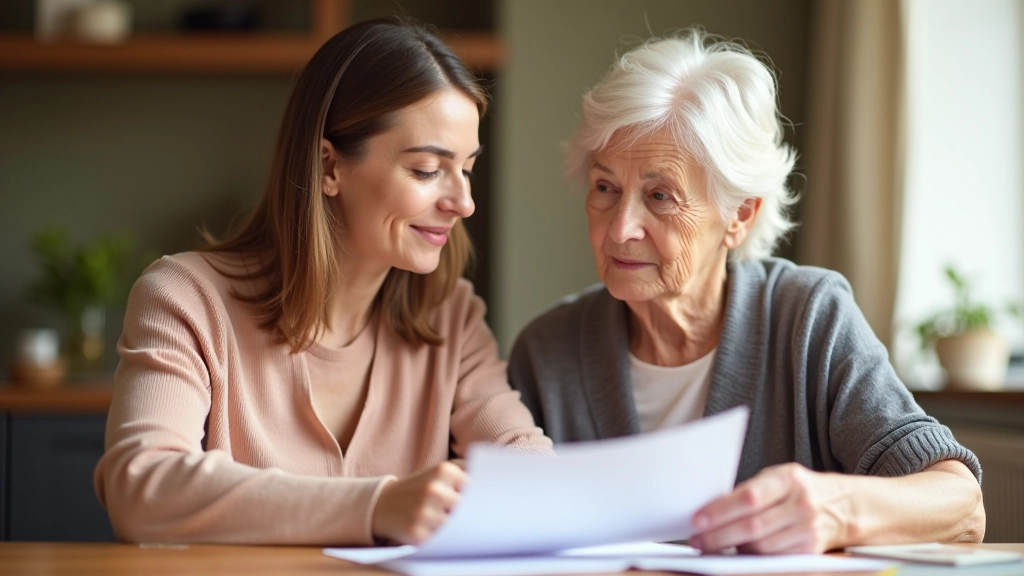
Home modifications aren't just about preventing accidents. They're about preserving independence, confidence, and dignity. When your parent feels safe moving around their home, they're more likely to stay active and engaged.
You've got this checklist now. Start with what matters most, involve your parent in the decisions, and remember — this is a conversation, not a directive. Small changes can prevent serious injuries. That's the real goal.
Need More Guidance?
Home safety is just one aspect of caring for an ageing parent. Explore more resources about elderly care, mobility aids, and caregiver wellbeing.
Explore More ArticlesRelated Articles

Important Disclaimer
This article provides educational information about home safety for elderly adults. It's not a substitute for professional assessment or medical advice. Every person's needs are different based on their health, mobility, and living situation.
If your parent has specific health concerns, mobility challenges, or has recently fallen, consult with their GP, occupational therapist, or a falls prevention specialist. Professional assessment can identify individual risks and recommend tailored solutions.
Always ensure any modifications comply with building regulations and are installed properly. When in doubt, hire a qualified professional.